

A lot of divorced parents don’t seem to understand that they are going to need to be civil to each other at events. I know it sounds basic, and a no-brainer, but too many divorced parents can’t share space at the important events in their children’s lives.
And to this, I say, get over it!
My goal as a Co-Parenting Facilitator is to empower divorced parents to act on the best interests of their children. When they can’t be in the same physical space to support their child, it creates tension and internal conflict for the children.
That’s not fair!

Obviously not all divorced parents will be able to sit in the same row at a school concert or dance recital. They may need to be in different parts of the stands at a football game.
But at the very least, they should be able to both attend the events that are important in their children’s lives.
Many divorced parents can and do sit together or save each other seats. They get to a point where their shared focus on and love for their children trumps any animosity or awkwardness between the two of them.
This is the ideal, of course.
But most people are not going to be at that level. So it’s ok to not sit near each other, but I do think it’s important to encourage your kids to see the other parent, go over and hug them, talk to both of you.
Encouraging your children to acknowledge and connect with the other parent sends an important message that you are not only OK with them having a relationship with their other parent (as they should), but you encourage it. You want it for them.
No child should have to compartmentalize and pretend to not know other members of their family because of tension and conflict between adults.
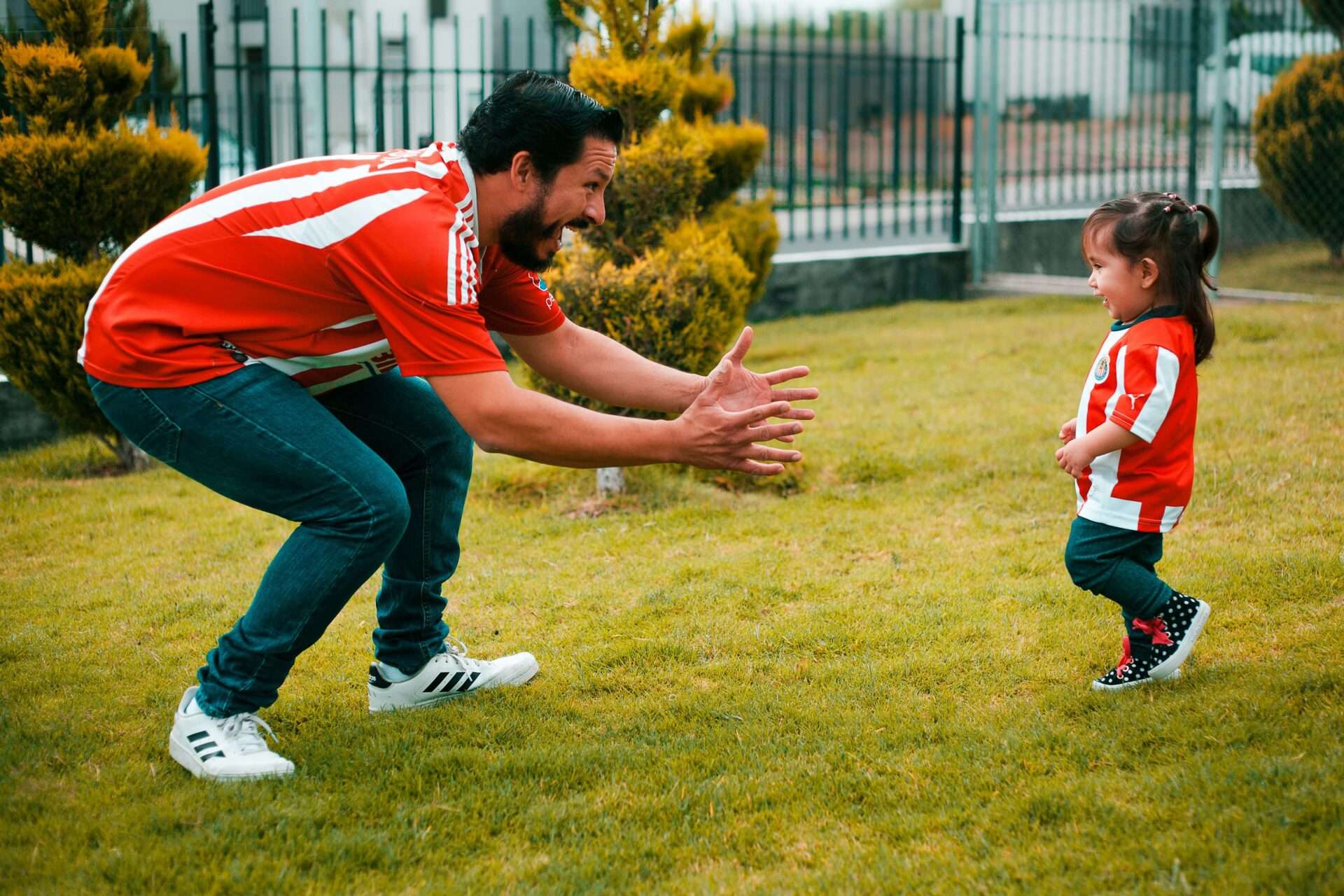
And after a play, performance or match, the child will be euphoric, excited, elated at what they’ve just accomplished, and everyone who came to see them will want to go up to them and congratulate them for it.
Parents need to see how important this is for the child and let it happen.
Unfortunately, a lot of parents put their children in a situation of having to choose between them. It triangulates the children and puts them in a terrible loyalty bind where they feel like they are the rope in a tug-of-war between their parents. And that’s not OK.
Kids should be able to flow between everybody they love.
When parents complain about this stuff, I say, “Well you better figure it out now while your kids are minors and you have help from the court system, coparenting specialists, and other resources.
Because once your kids are no longer minors, the events will be bigger and more important—weddings and graduations and grandchildren and the grandchildren’s events—and nobody is going to set up rules or help you.”
The goal here is to make things better for your family. Put your own resentments and bitterness aside to move your family forward!

Sometimes when I’m working with a high-conflict family, I say at the very least, wave a greeting to the other parent and make sure that your child knows that they should go say hello and that you’re OK with that. That’s the very least.
If it’s your parenting time and they want to sit with the other parent, that should be fine.
As a Parent Coordinator, I’ve had to make specific rules about where the children sit because there are people who do unfortunately take advantage of the system and use the children as pawns. But that’s last resort and a terrible outcome.
My hope is always that kids can flow freely between parents.
Kids love when the parents acknowledge each other. They’re not looking for their parents to get back together. They just don’t want to have to choose one over the other.