

If Co-Parenting is to be successful, then both parents need to commit to communicating in a civil manner. This includes email!

I’ve seen, time and again, the way co-parents email each other with ideas for their children—whether therapy or extracurricular activities or something else—it’s not really a dialogue, but more of a demand.
I don’t know if it’s because one parent is worried that the other parent will say no and dash their chance of doing something special for their kid, or if it goes deeper, back to the conflict in the parental relationship and power balance.
Whatever the underlying motivation, there is no justification for communicating unkindly or in a demanding manner. And it does not make Co-Parenting easy or successful.
Default to the Professional
The way I try to work with everybody is from this idea that we are trying to work in a professional mode, and how we might work with people in professional settings. Respectful. Cordial. Listening and negotiating—never demanding or ordering around.
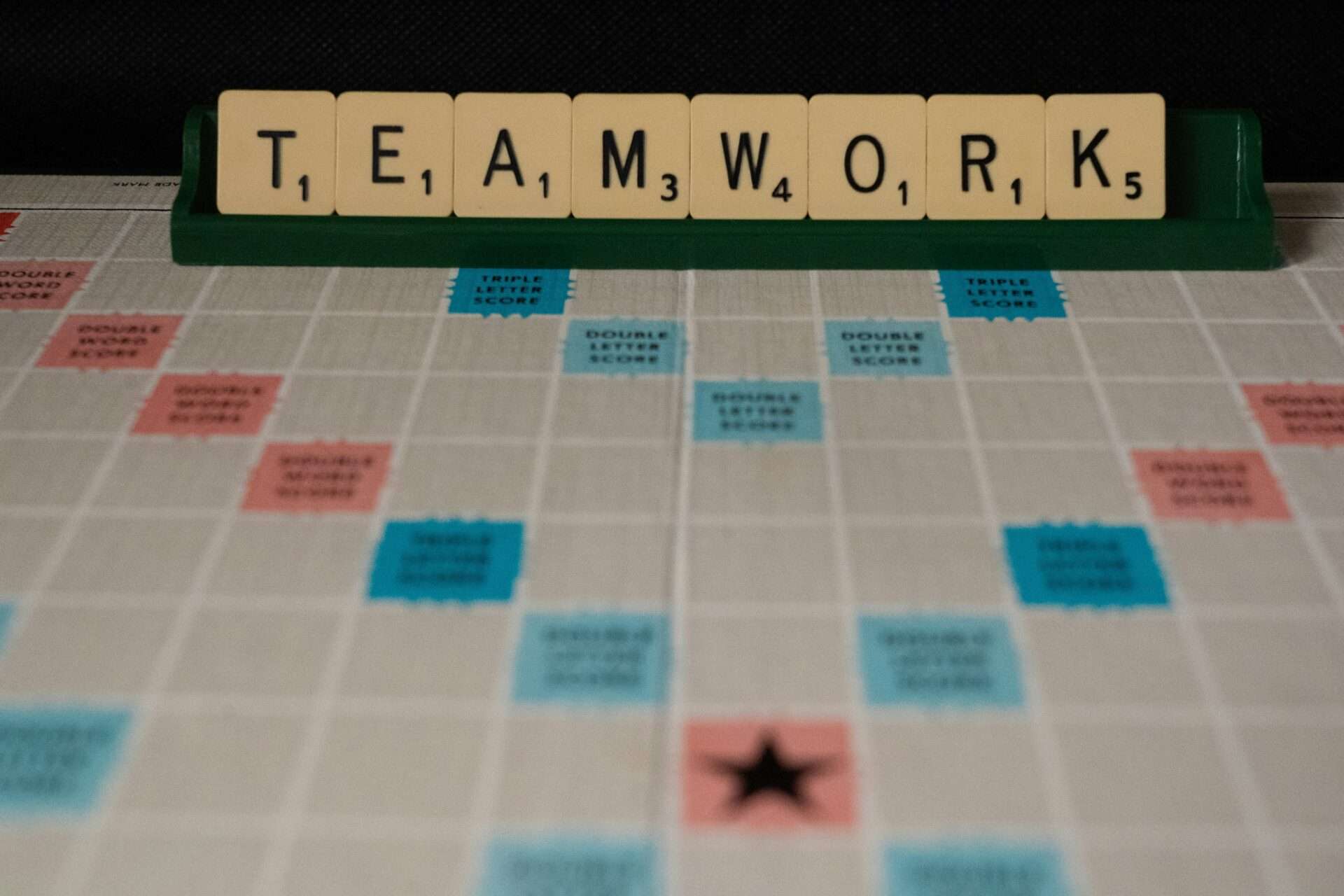
Collaboration, simply put.

This includes responding in a timely manner, too. You’d never ignore a work colleague’s email for days on end! Your boss would be annoyed, and the work would not get done.
So, too, with your Co-Parent. They deserve a response within 24 hours, just as you would respond promptly to a colleague.
In my Co-Parenting Facilitation work, I establish with people to commit to a 24-hour turnaround time for responding. And, I encourage people to at least acknowledge the communication if they can’t respond quickly—it’s respectful and kind to say, “I saw your email. I’m busy for a bit. I’ll respond by Tuesday.”
Remember: You’re In This Together, Even If You Don’t Want To Be
It’s funny and strange how a parent can reach out to their child’s school, doctor, therapist, soccer coach, and they’re lovely, asking questions, being kind, the tone of their communications friendly and respectful.
But with their ex, their child’s other parent, it’s entirely different. It can be an email with an idea for something with the kids and rather than say, “What do you think?”, they say, “Here’s the plan.” As if it’s a done-deal, and they intend to ignore or cancel the other parent.
Not nice!
It’s not hard to say, “I’d appreciate your input,” or “Please get back to me with your thoughts.” Let that be the tone of the email as opposed to, “I’m doing this, just letting you know.”
It’s exclusionary and not only will it rile up the other parent, it will make it difficult for the child, who can always sense tension between their parents.
I hate to have to remind parents that their children are equal parts of both parents, and when the parents are unkind to one another, it’s like being unkind to their child. The children know. They can see, feel, hear the tense communications between their parents, and they often internalize it or believe they are to blame.
Do you really want to hurt your child?
If not, please consider that how you treat or communicate with their other parent affects them greatly.
Keep Communication Open & Flowing
It may be a dream to suggest that Co-Parents can keep communication open, but it is the goal to strive for. A true back-and-forth is what you want, recognizing that both of you are key people in your child’s life.
And thus, both deserve consideration and input.
Authentic collaboration is what we’re striving for in Co-Parenting. I know it’s a high expectation, especially for couples who could not figure it out in their relationship and thus, split up.
But for the benefit of your child, keeping communication open and flowing is the goal to strive for.
When you’re not actually interested in the opinion of the other parent, but rather interested in them just agreeing with you, you’re not Co-Parenting.
And even if you wish you didn’t have to Co-Parent with someone you’re not getting along with or no longer like, this is the reality. You ARE Co-Parents. Accept it, and rise to the occasion!
What Happens When Communication Breaks Down

When Co-Parents do not communicate well, they come to someone like me, for Co-Parenting Facilitation. Usually because they are stuck in circular arguments where neither person is hearing the other.
I know there can be lots of misunderstandings when using email to communicate, but in Co-Parenting situations, everything has to be in writing so we’re stuck with this modality.
And while I understand how frustrating that is for families, it’s just as frustrating for me, because there is a lot of tone lost in written language. I would love to be able to say that everybody can get on the phone and talk. The truth is, we can’t allow that because it’s often proven that there is a lot more miscommunication through verbal discussions with everyone mishearing the other and no reliable record.
So, if this is our medium, then we must figure out how to begin a conversation when you truly want to have a brainstorming session. If you don’t feel it, then fake it until you do.
Co-Parenting Facilitation is a great way to work on this, by the way. In a session with me, Co-Parents can engage in a productive brainstorming session. What a great thing to have somebody who is there to document the conversation!
I take notes, I can see what’s going on and referee an unhealthy dynamic to make sure that people are hearing each other, stopping, listening, paying attention, being fair. We can achieve productive outcomes together, which ultimately benefits your children.
And that’s the entire point!
People push each other’s buttons on purpose. This is not about the written word. It’s about changing your mindset to one that benefits your children.
And, working to put aside your resentment, hurt, bitterness or sadness that your adult relationship did not work out. The new reality is that you’re still connected via your child, and you have to make it work for your child’s sake.
Let that be the goal. Lead with that.